Streamlining Modern Retail Shopping
SwiftCart
Idea Phase

Overview
SwiftCart aims to remove friction from in-store shopping, checkout, and last-mile delivery by combining scan-to-shop, queue-free payment, inventory management, and local fulfillment into a single platform.
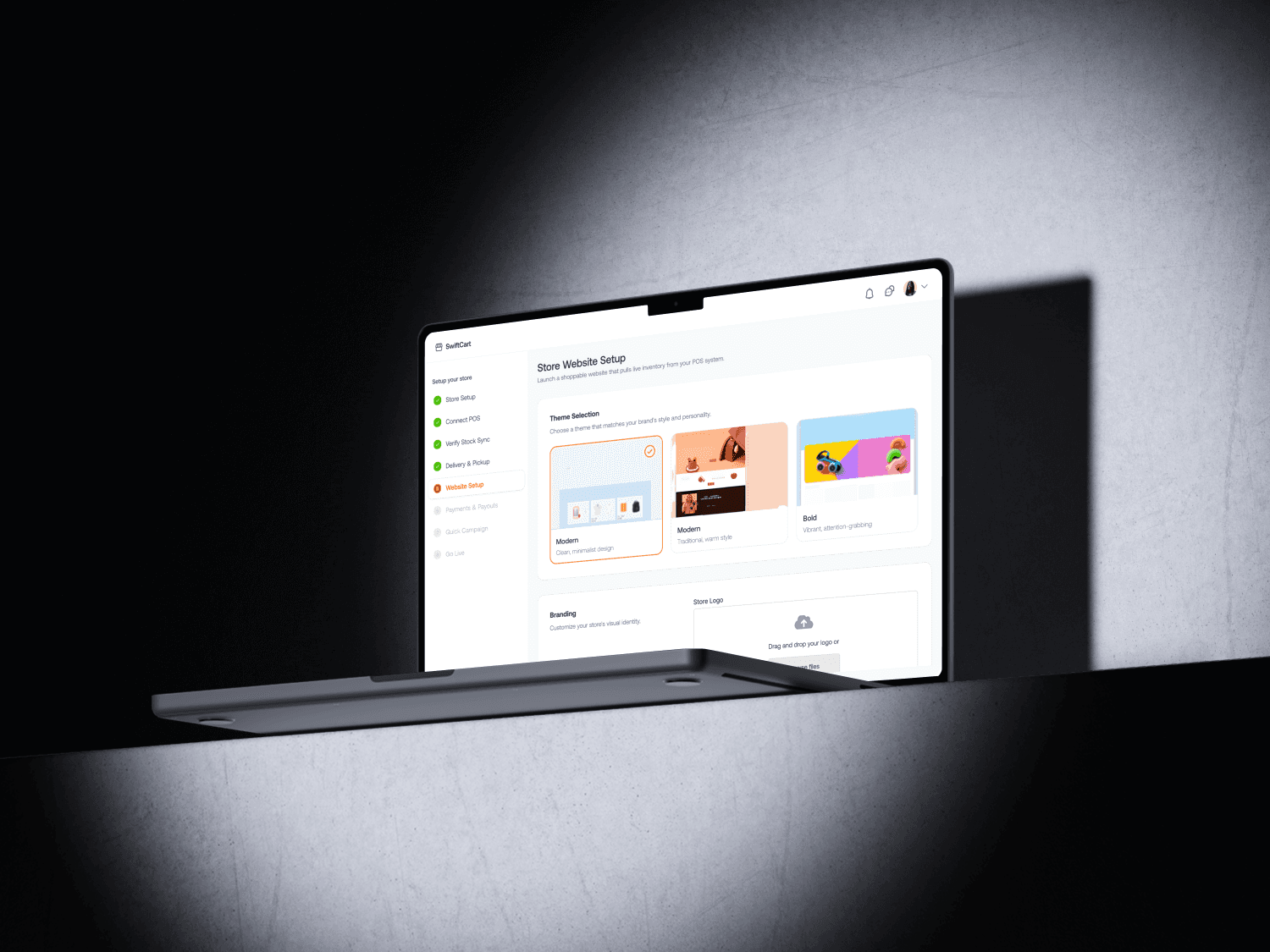
The Problem
Retail shopping remains fragmented.
Customers waste time in queues. Merchants juggle disconnected tools. Delivery partners operate outside core retail systems.
The challenge was to design a platform that works across three distinct user groups: customers, merchants, and riders, while keeping each experience simple, intuitive, and reliable.
The system needed to:
Support real-time inventory and payments
Work in both in-store and delivery contexts
Remain usable for users with varying technical experience
Scale across different store sizes and urban environments
Maintaining clarity across interconnected workflows without overwhelming users was critical.
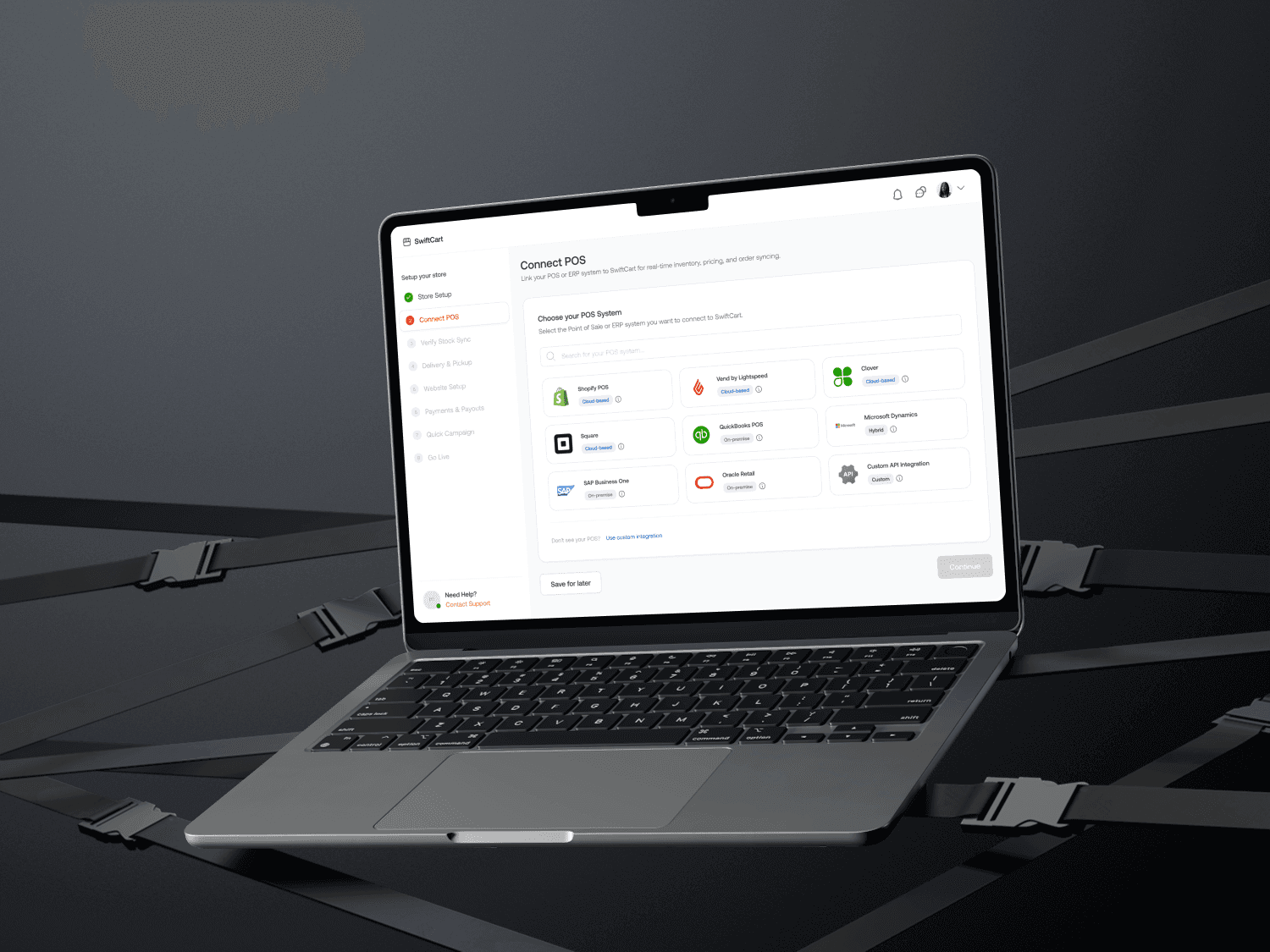
Approach
My approach began with analyzing existing shopping, delivery, and point-of-sale platforms to understand where friction persists. I studied how competitors handle checkout, fulfillment, inventory visibility, and user onboarding, identifying gaps where experiences break down.
Using these insights, I designed SwiftCart as a three-sided system powered by a single real-time backend. Instead of treating shopping, checkout, and delivery as separate flows, SwiftCart connects them into one continuous experience.
The result is a platform where customers can scan items and pay instantly, merchants maintain full operational control, and drivers receive optimized delivery tasks, all within the same ecosystem.
Challenges
SwiftCart reimagines shopping as a fluid experience rather than a sequence of delays. Customers scan products as they shop, build their cart in real time, and complete payment directly in the app, eliminating the need for physical checkout queues.
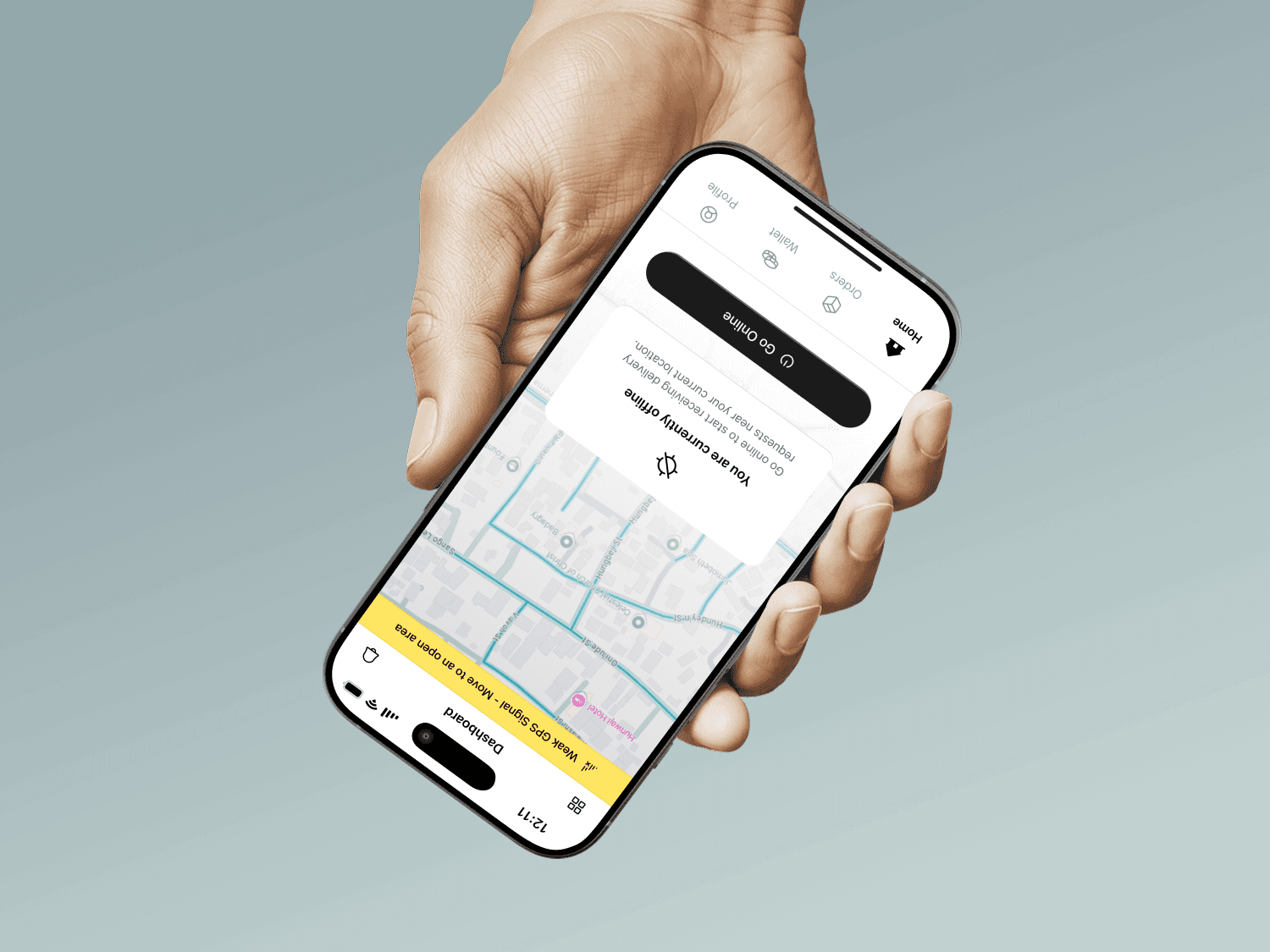
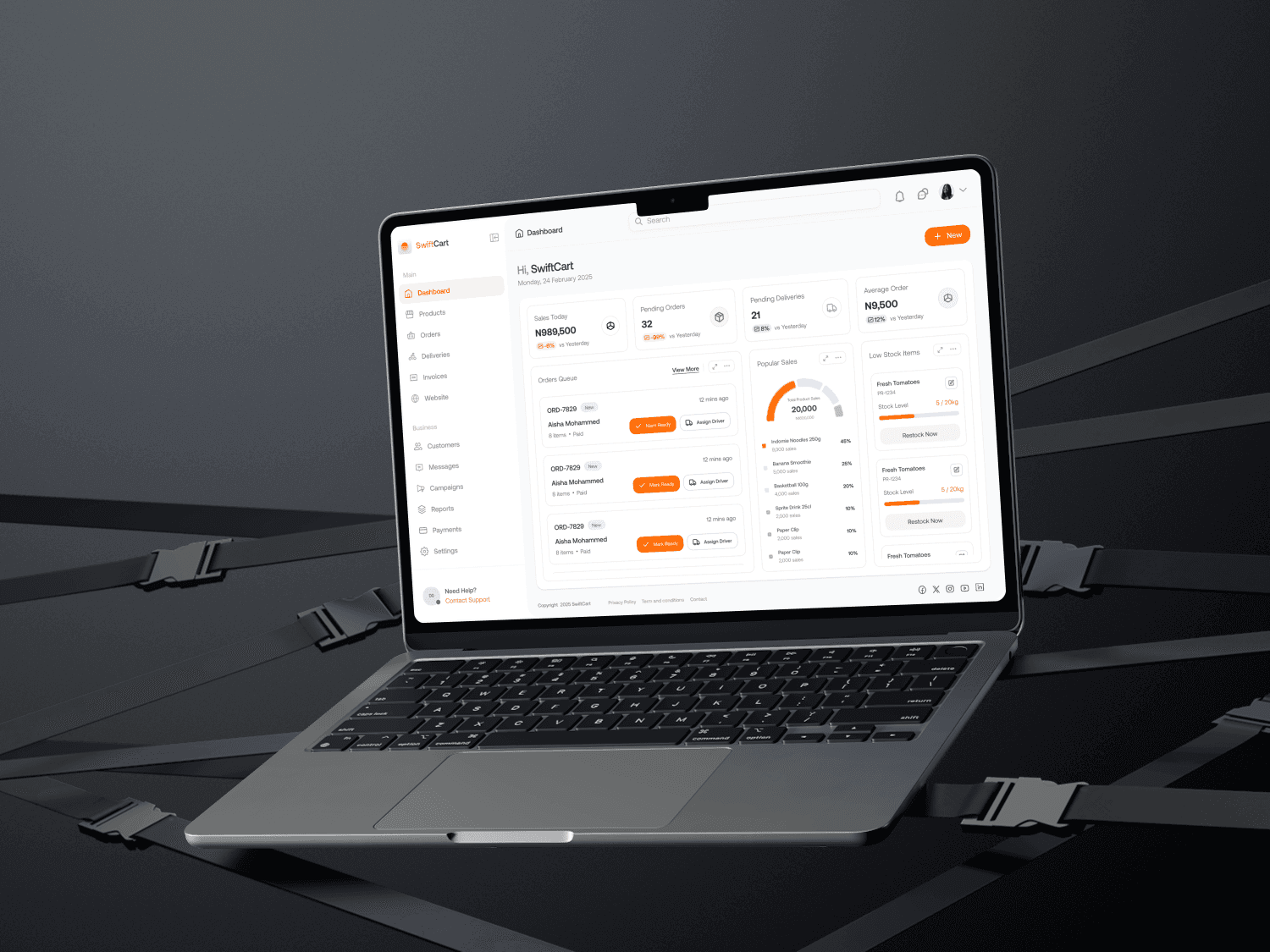
Merchants gain a centralized system to manage inventory, pricing, and orders while maintaining visibility across in-store and delivery activity. Riders receive clear, structured tasks that reduce idle time and improve fulfillment speed.
The interface prioritizes clarity and speed. Clean layouts, clear hierarchy, and familiar interaction patterns ensure users can complete tasks with confidence.
Whether scanning items in-store, managing inventory, or fulfilling deliveries, each flow is designed to feel natural, predictable, and efficient, encouraging repeat usage and trust.
Solution
SwiftCart is built on a flexible grid system and modular components that scale across mobile and web. Each screen focuses on a single primary action, reducing cognitive load and allowing users to move quickly through tasks.
Visual noise is minimized so users can focus on what matters most: shopping, selling, or delivering.
Customers scan products using their phone camera, instantly adding items to a digital cart. Prices, availability, and promotions update in real time, ensuring transparency and accuracy.
Once ready, payment is completed inside the app—allowing customers to walk out or schedule delivery without waiting in line.
SwiftCart provides real-time order tracking for both customers and merchants. Live status updates and notifications keep everyone informed, reducing uncertainty and support requests.
This transparency builds trust and creates a smoother post-purchase experience.
Results & Impact
Orders are completed in multiple ways; walk-out purchases, same-day delivery or scheduled delivery. This flexibility allows SwiftCart to adapt to different shopping behaviors and operational needs.
Merchants can also manage stock levels, pricing, and product availability from a single dashboard. Every scan, purchase, or delivery updates inventory in real time, reducing errors and overselling.
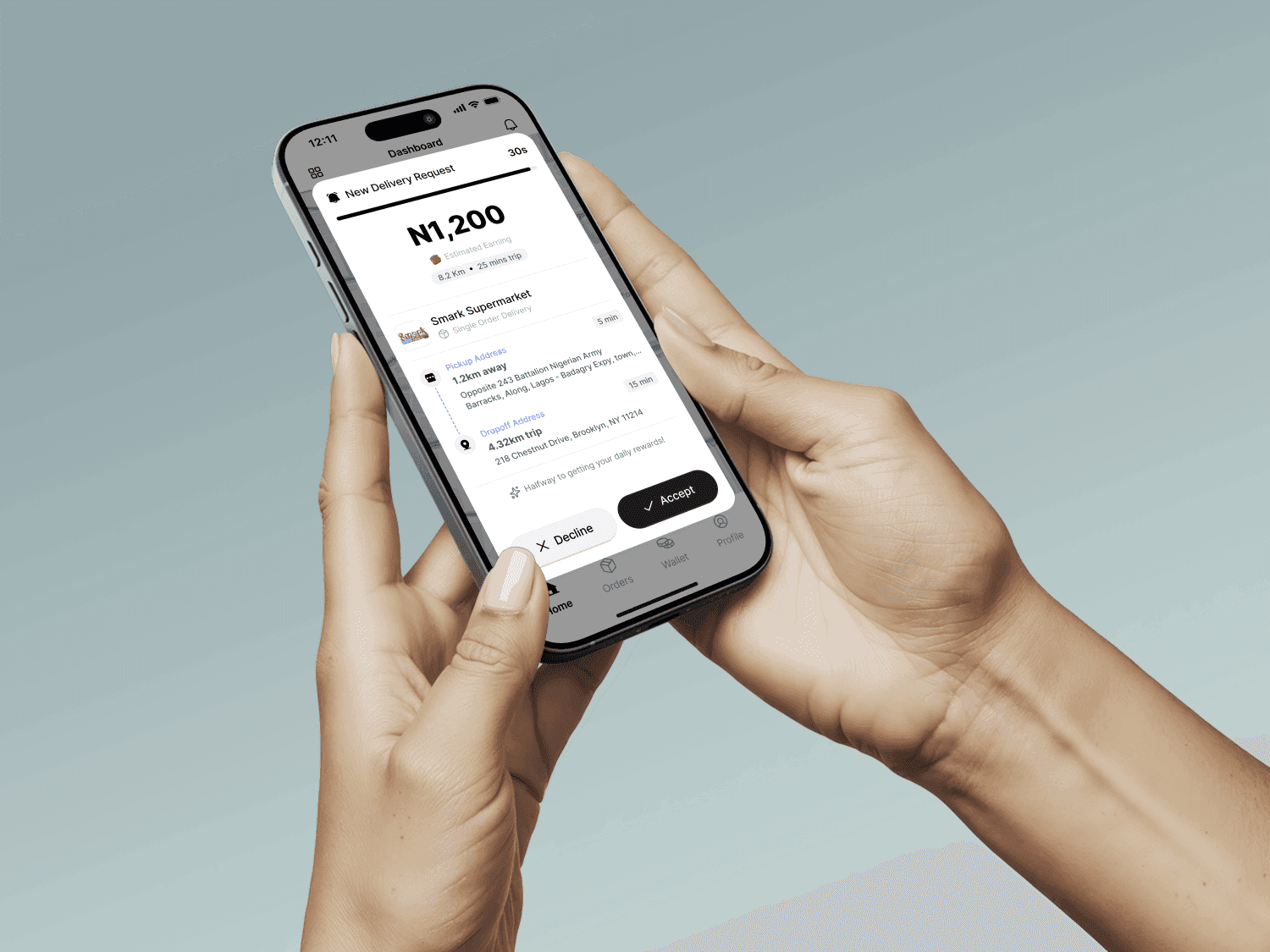
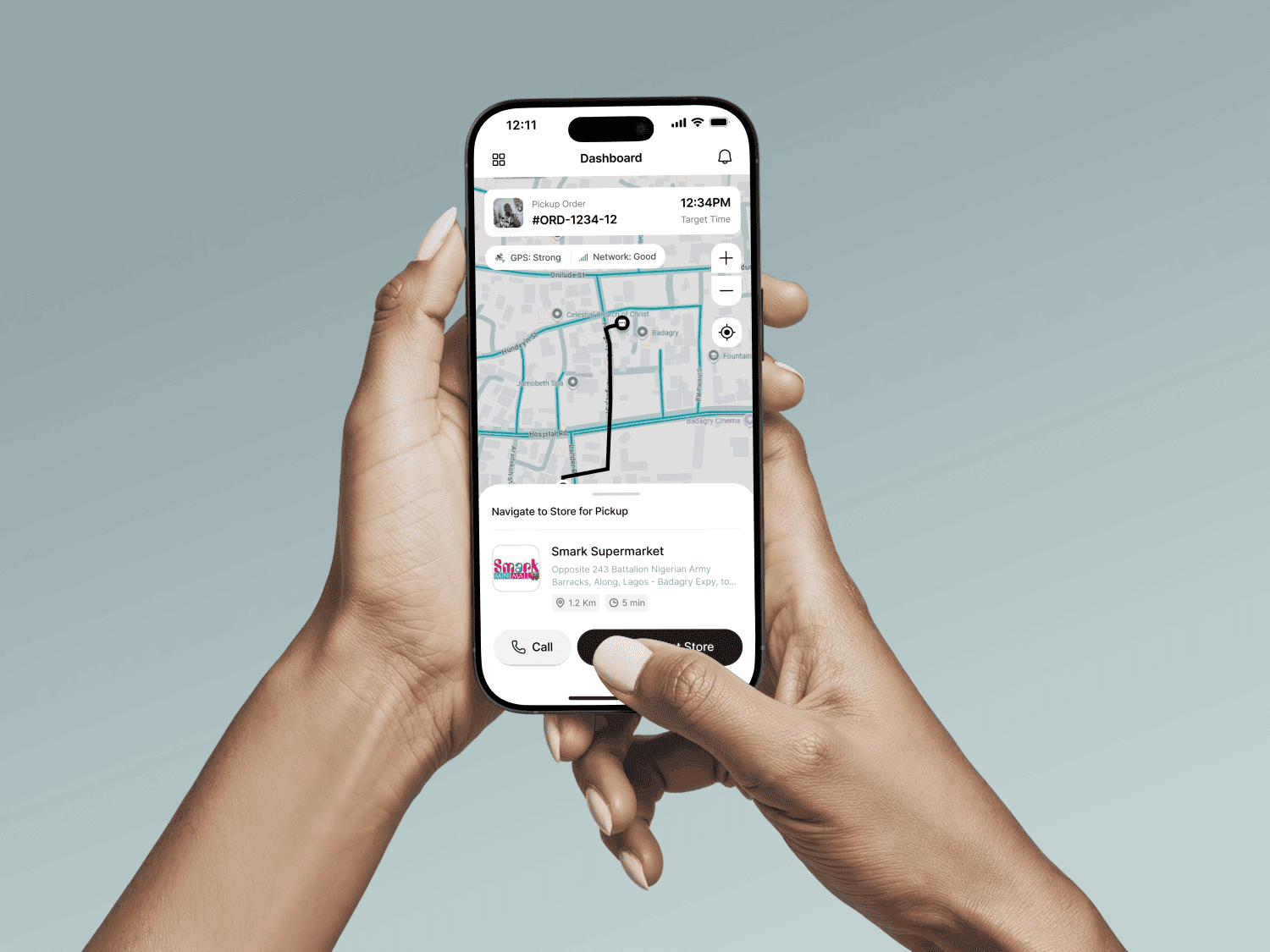
Riders receive intelligently assigned tasks based on location and availability. Optimized routing reduces delivery time and fuel usage, while transparent earnings tracking ensures clarity and trust. And by treating rider as core users—not add-ons—SwiftCart creates a more reliable last-mile network.
Next Steps
The pilot confirmed that merchants will adopt if setup is simple, customers will adopt if stock is accurate, and drivers will stay if payouts are reliable. Next steps right now are; POS integrations for true inventory sync, instant payout wallets for riders and campaign tools for merchants (discounts, banners).
For now, by focusing on integration rather than isolated features, SwiftCart transforms everyday shopping into a seamless, connected experience.